Frictional Drive Transmission Belts : Rubber
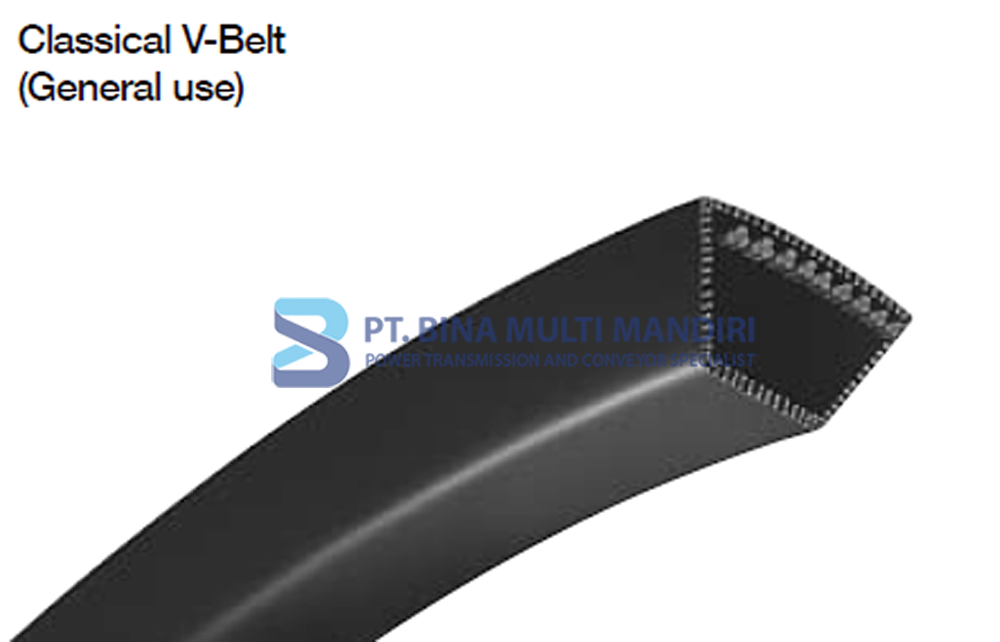
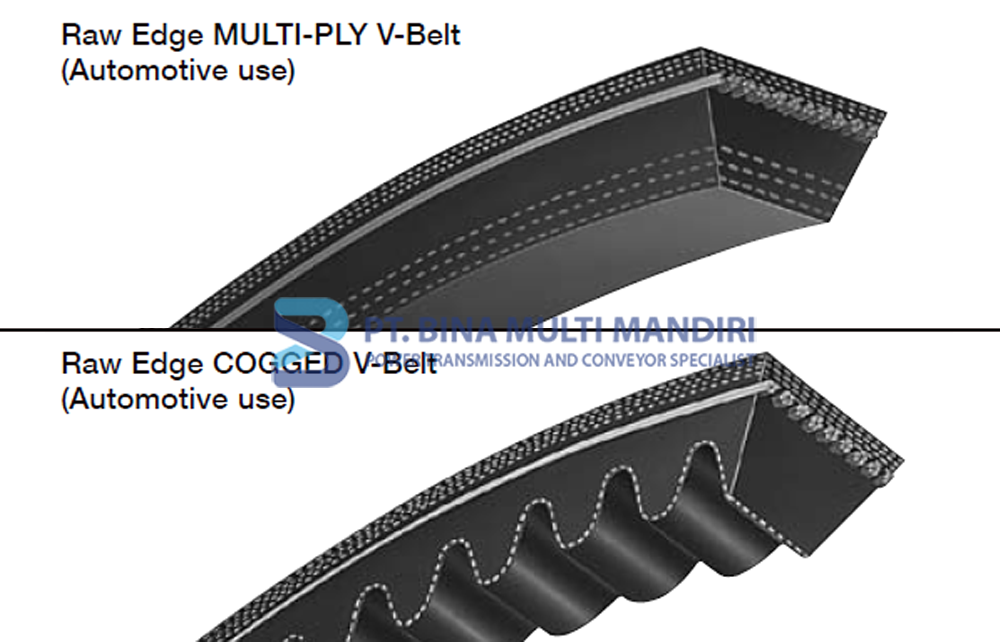
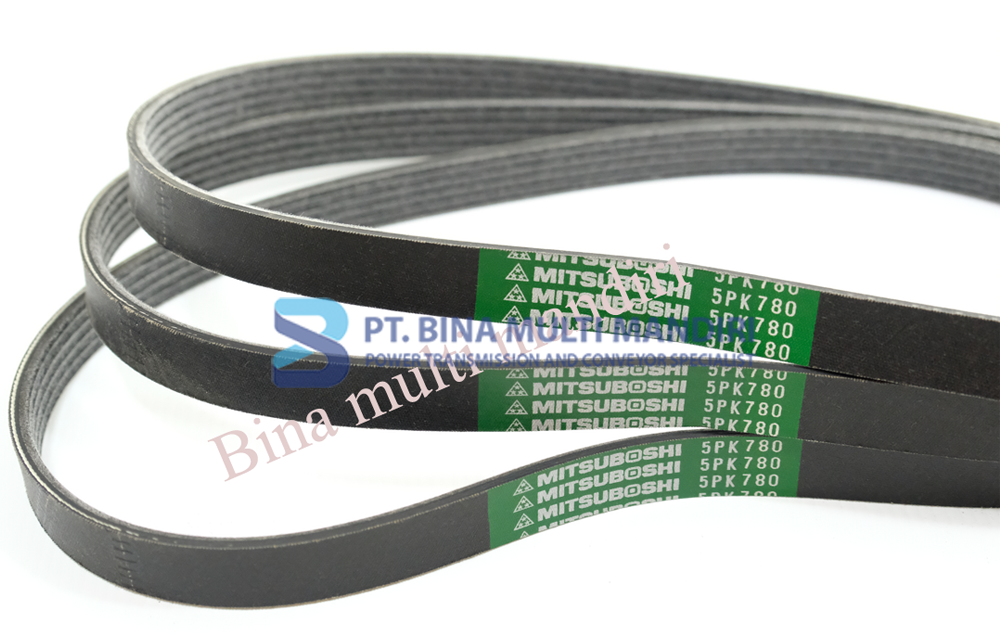
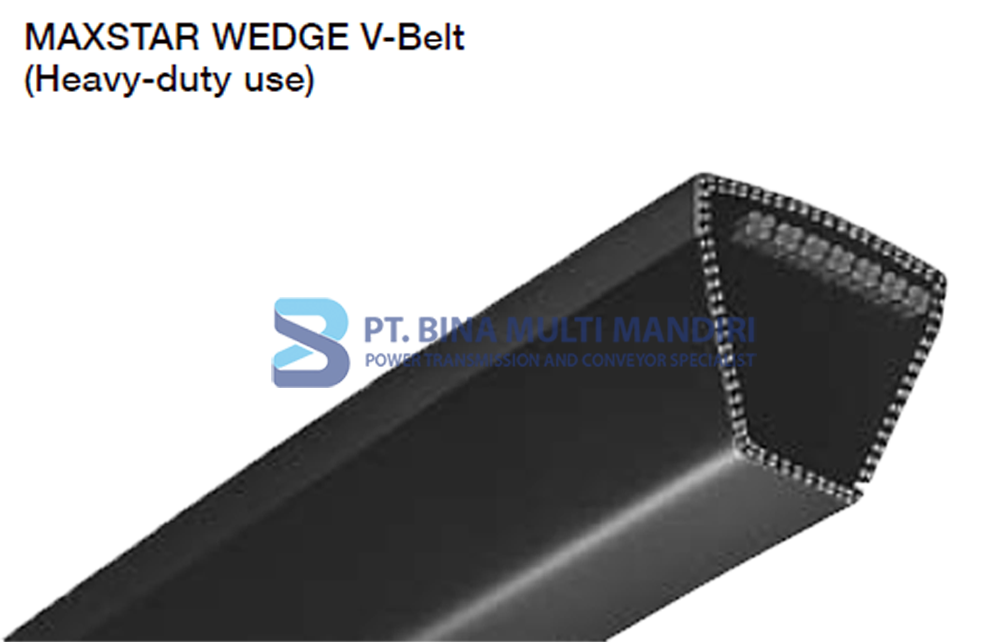
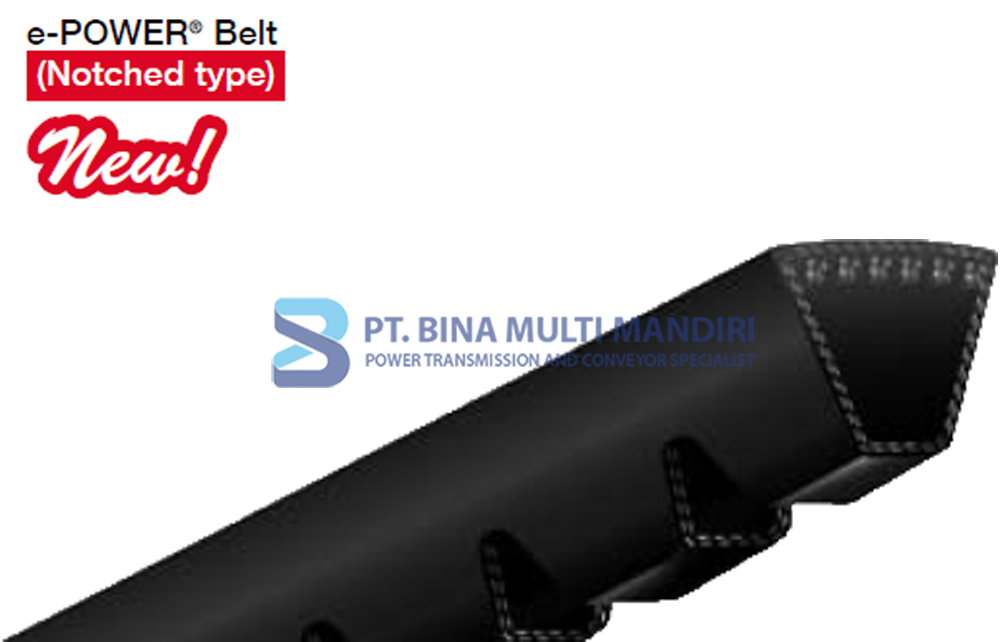
Frictional drive transmission belts are flexible mechanical belts used to transfer power and motion between rotating shafts through the friction created between the belt surface and pulleys. As the driving pulley rotates, friction causes the belt to move and drive the connected pulley, enabling efficient power transmission in machines such as automotive engines, conveyors, pumps, fans, and industrial equipment.
Rubber frictional drive transmission belts are flexible, cost-effective belts commonly used in automotive and industrial machinery because they provide excellent grip, quiet operation, and strong vibration absorption.
Rubber frictional drive transmission belts are flexible, cost-effective belts commonly used in automotive and industrial machinery because they provide excellent grip, quiet operation, and strong vibration absorption.
Positive Drive Transmission Belts : Rubber
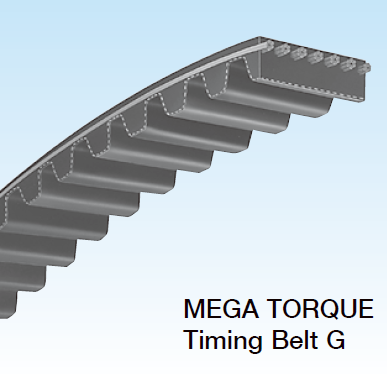
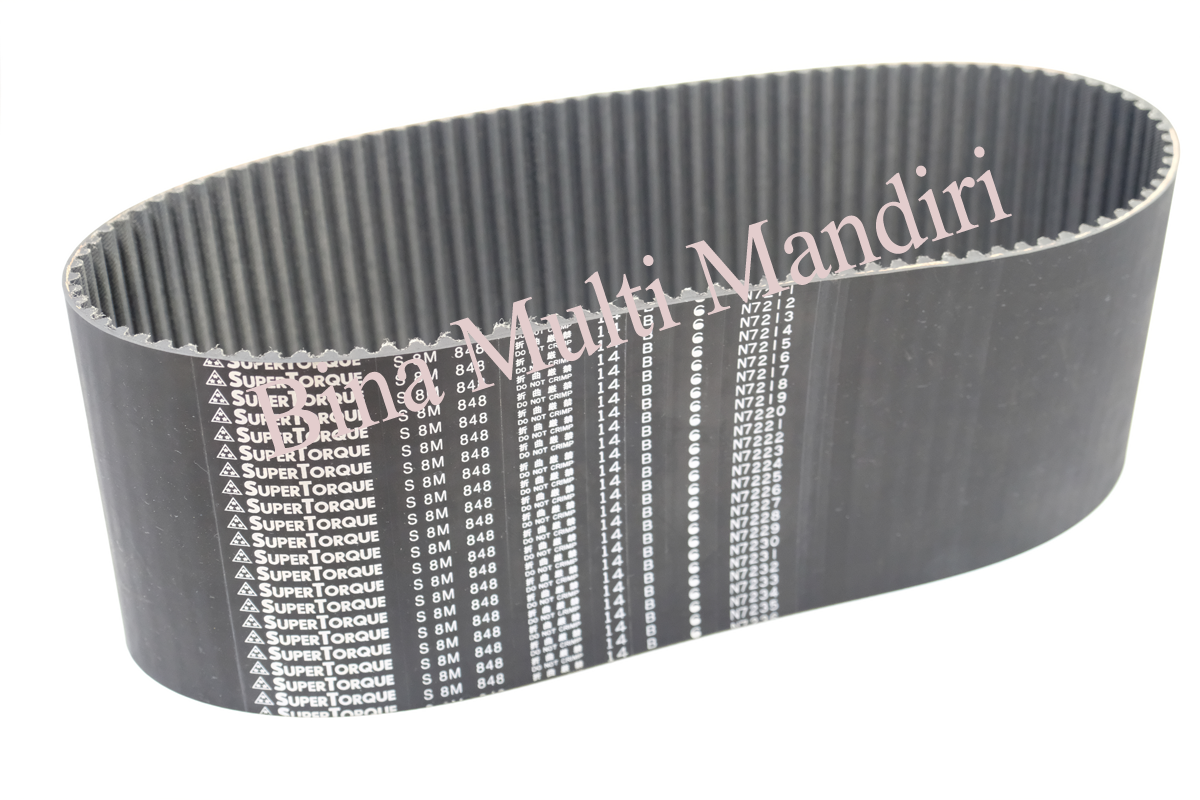
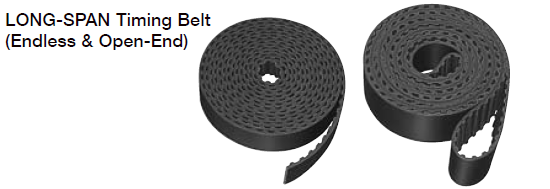
Positive Drive Transmission Belts : Polyurethane (PU)
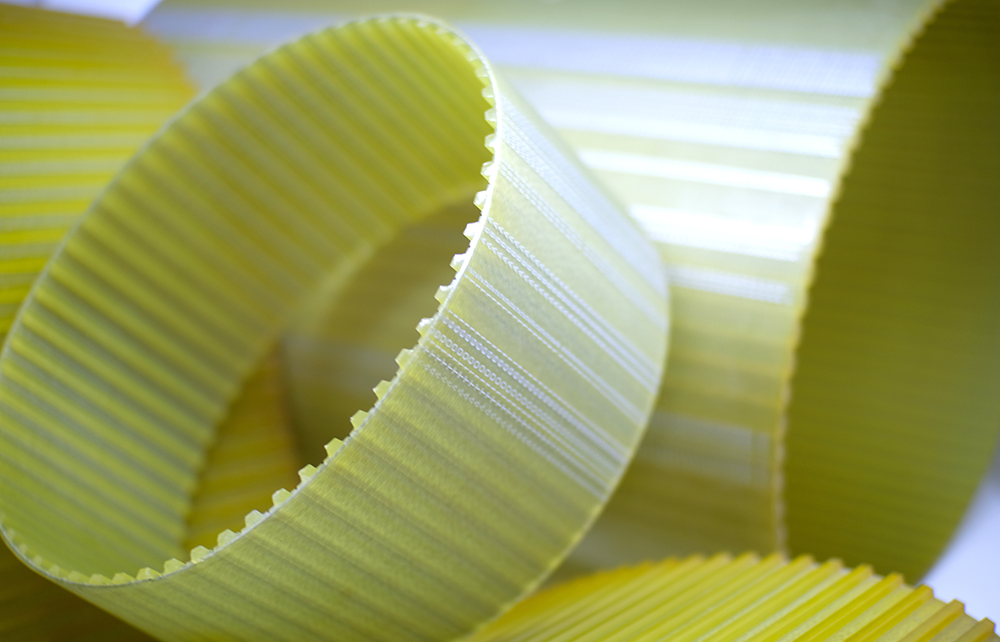
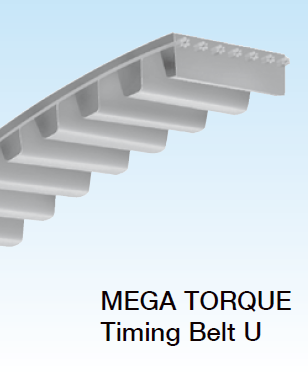
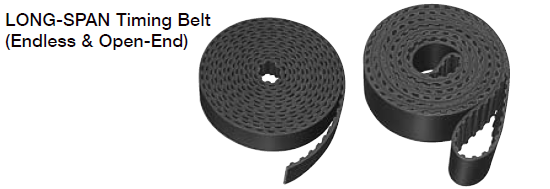
PU timing belts are harder, more wear-resistant, and more precise, with better resistance to chemicals, oil, and moisture, making them ideal for automation, robotics, food processing, and high-precision industrial systems. Rubber belts focus on flexibility and smooth operation, while PU belts focus on durability, accuracy, and long service life.
Flat Transmission Belts
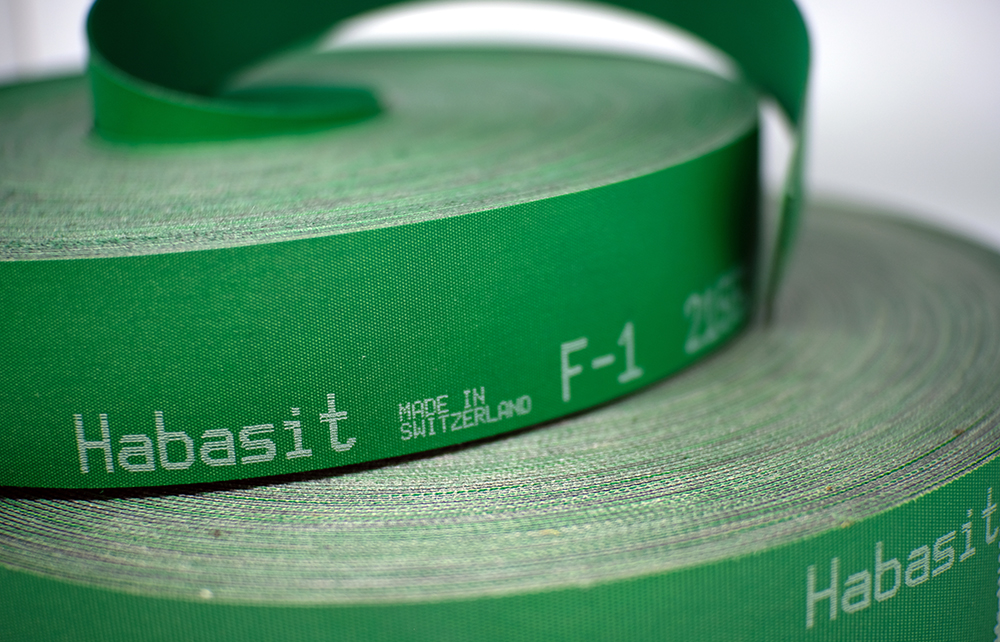
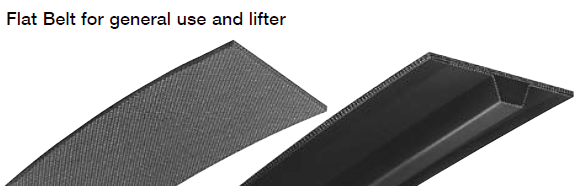
Flat transmission belts are smooth, flat belts used to transfer power between rotating pulleys in machines. They work using friction between the belt and pulley surface and are commonly used in conveyors, industrial machinery, and older mechanical systems. Flat belts are known for running quietly, handling high speeds efficiently, and being simple and flexible.
Transmission Pulleys
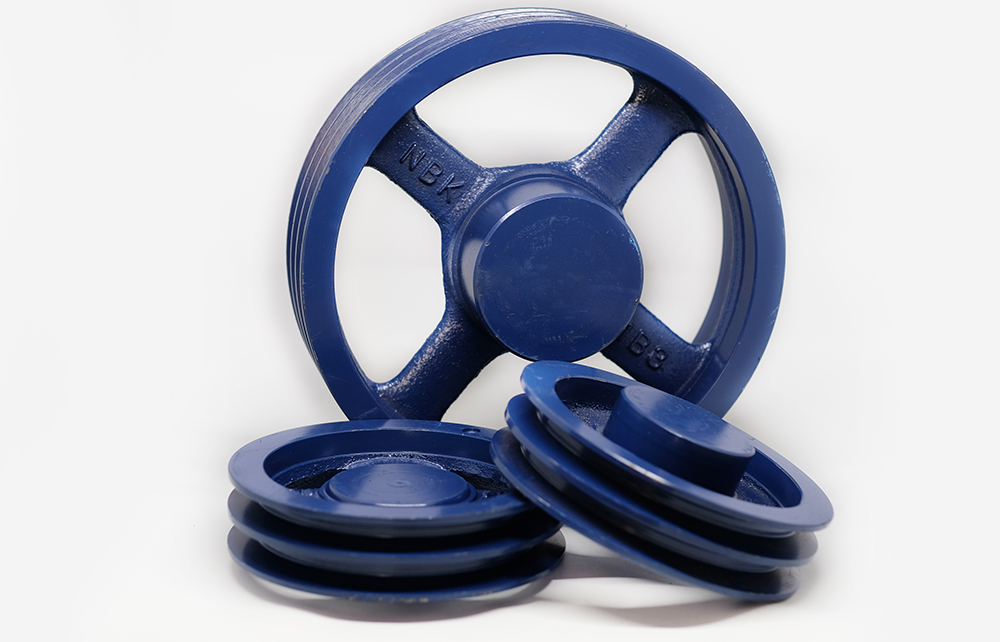
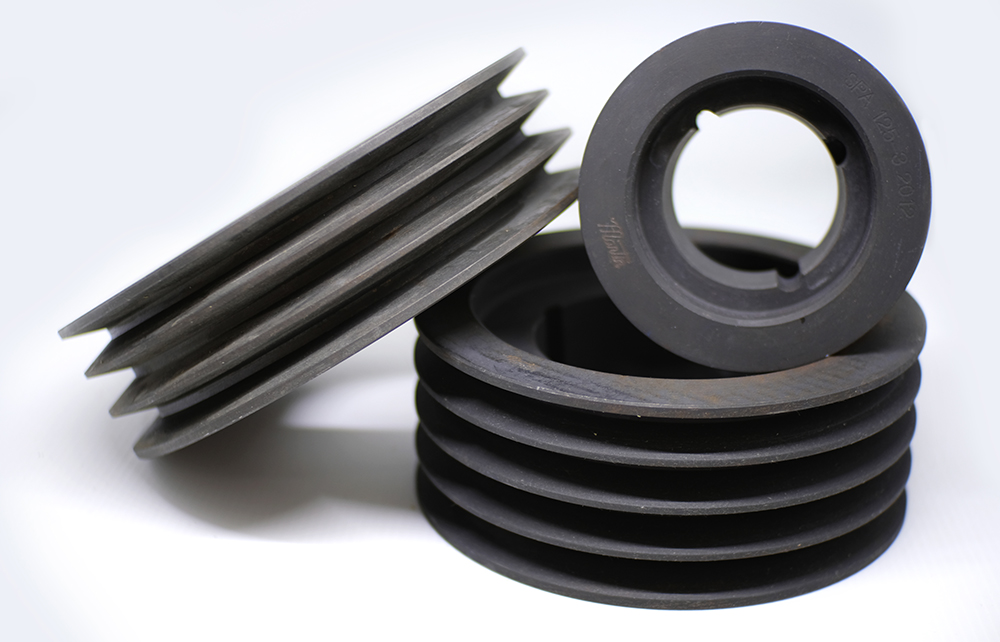

Transmission pulleys are wheel-shaped parts that work with belts to transfer power and movement from one machine part to another. The pulley spins and moves the belt, which then drives another pulley connected to a motor, engine, or machine component. They are commonly used in cars, conveyor systems, industrial machines, and fans.
Variable Speed Belts
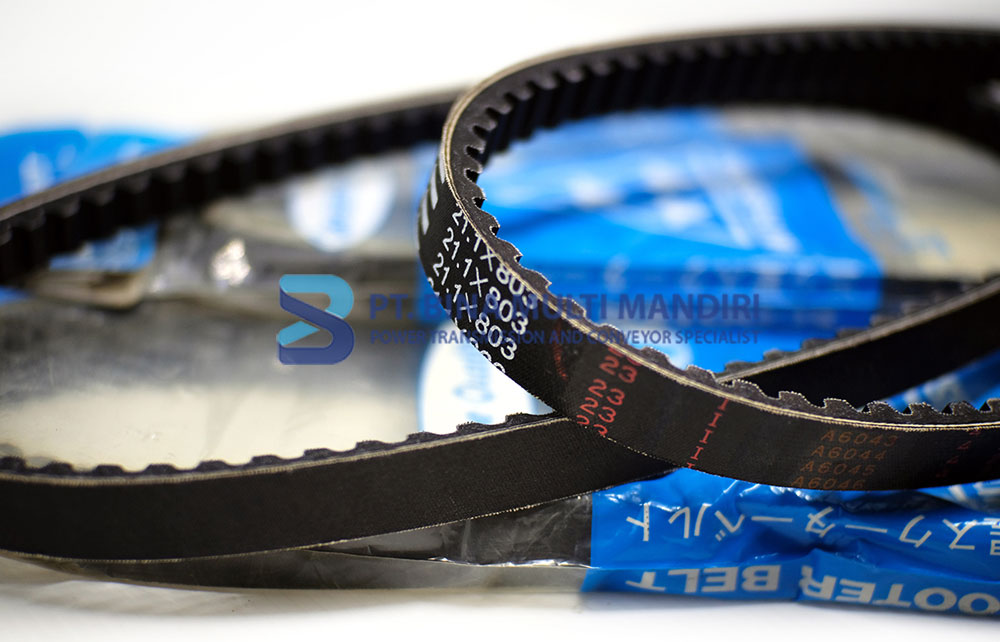
Variable speed belts are special belts designed to change the speed of a machine by moving between pulleys that can adjust their width or diameter. This allows the machine to run faster or slower without changing the motor speed. They are commonly used in scooters, industrial machines, and equipment that need adjustable speed control.
Frictional Drive Transmission Belts : Polyurethane (PU)
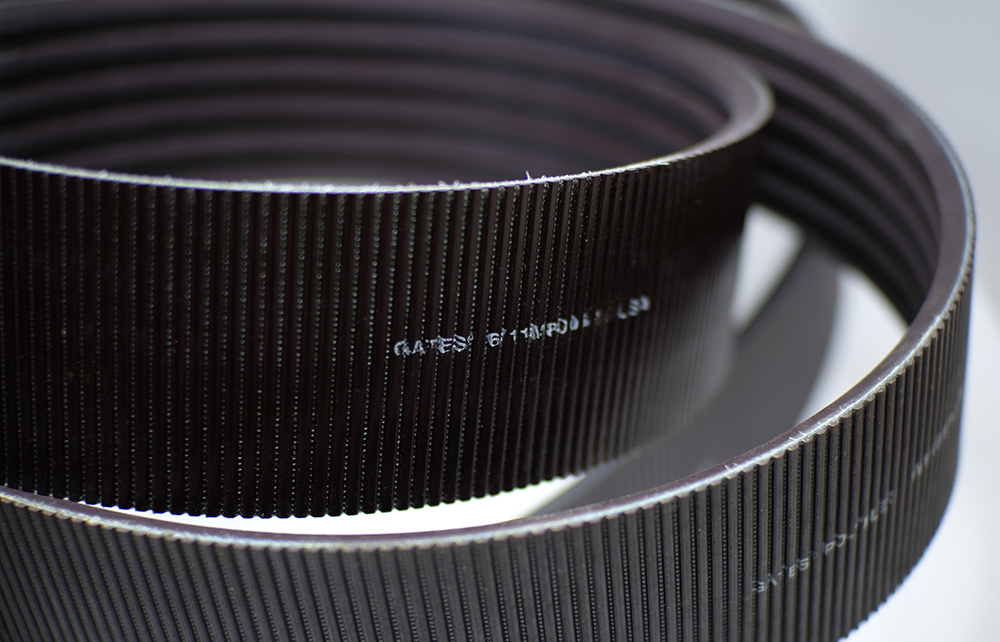
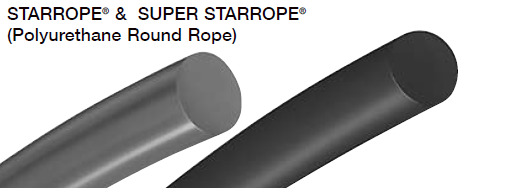
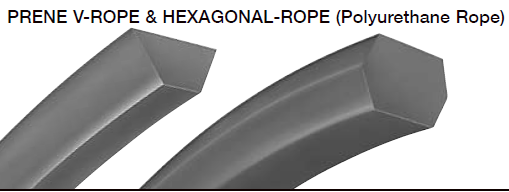
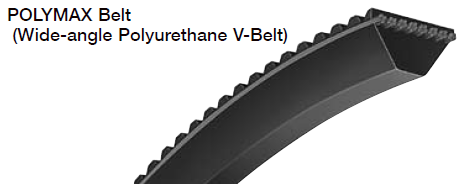

Rubber and polyurethane (PU) transmission belts both transfer power, but they differ significantly in material behavior, durability, flexibility, and application.
Polyurethane (PU) belts are harder, more durable, and more resistant to wear, chemicals, and stretching, making them better suited for precision, high-speed, and automated systems. In general, rubber belts prioritize flexibility and smooth power transmission, whereas polyurethane belts prioritize durability, dimensional stability, and precision performance.
Polyurethane (PU) belts are harder, more durable, and more resistant to wear, chemicals, and stretching, making them better suited for precision, high-speed, and automated systems. In general, rubber belts prioritize flexibility and smooth power transmission, whereas polyurethane belts prioritize durability, dimensional stability, and precision performance.
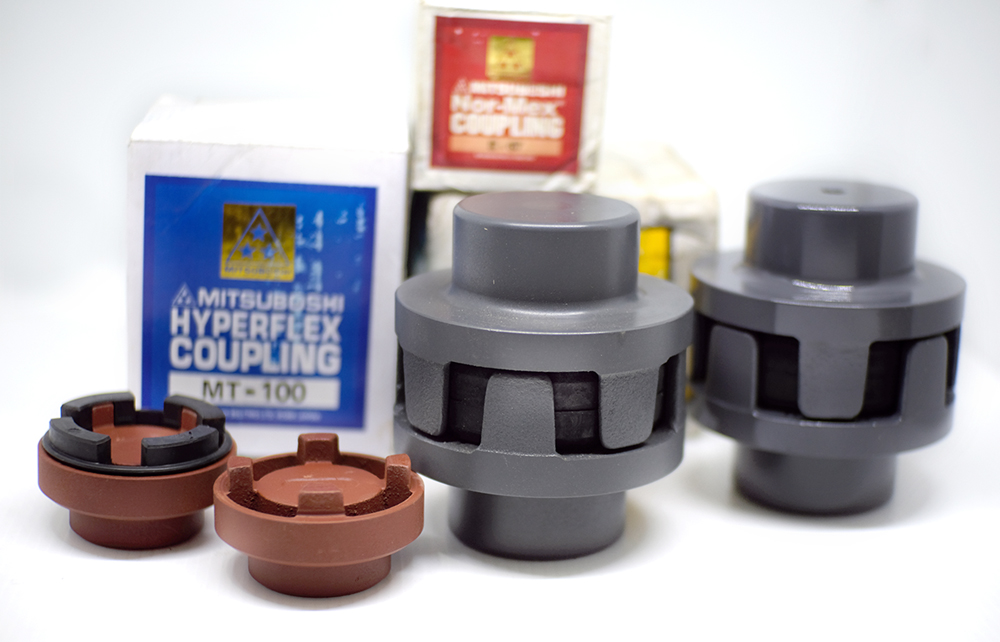
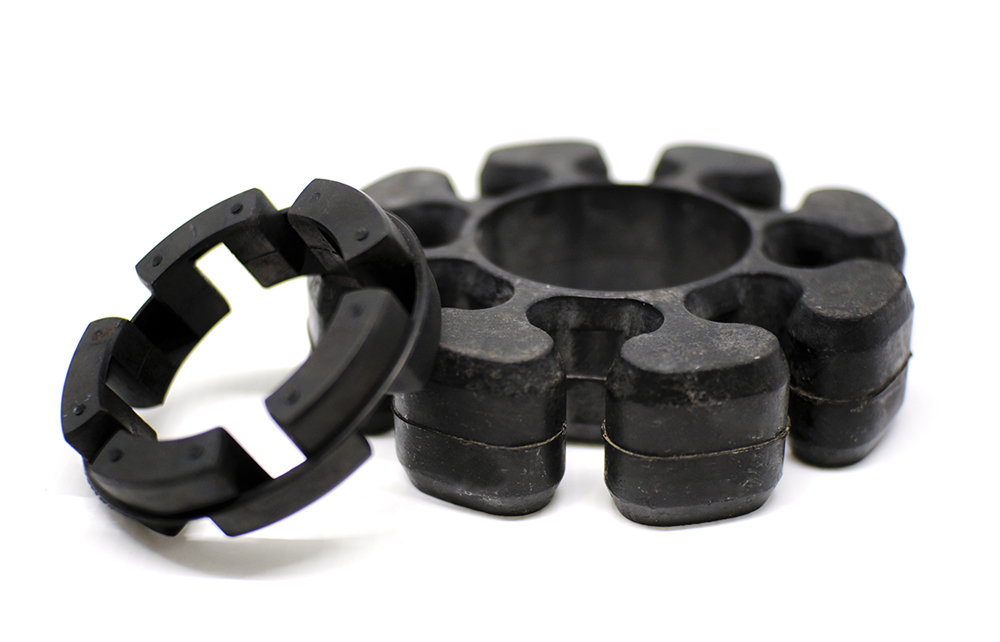
Flexible Couplings